Beans, roast dates and freshness
How to read a coffee bag, why the roast date matters most and how to keep beans fresh.

Good coffee at home starts long before the grinder or the kettle. It starts with the bag. The beans you buy decide most of the flavour in your cup, and a few simple habits keep that flavour for longer. In this lesson you will learn how to read a coffee bag, why the roast date matters more than any label and how to store beans properly.
What is a coffee bean?
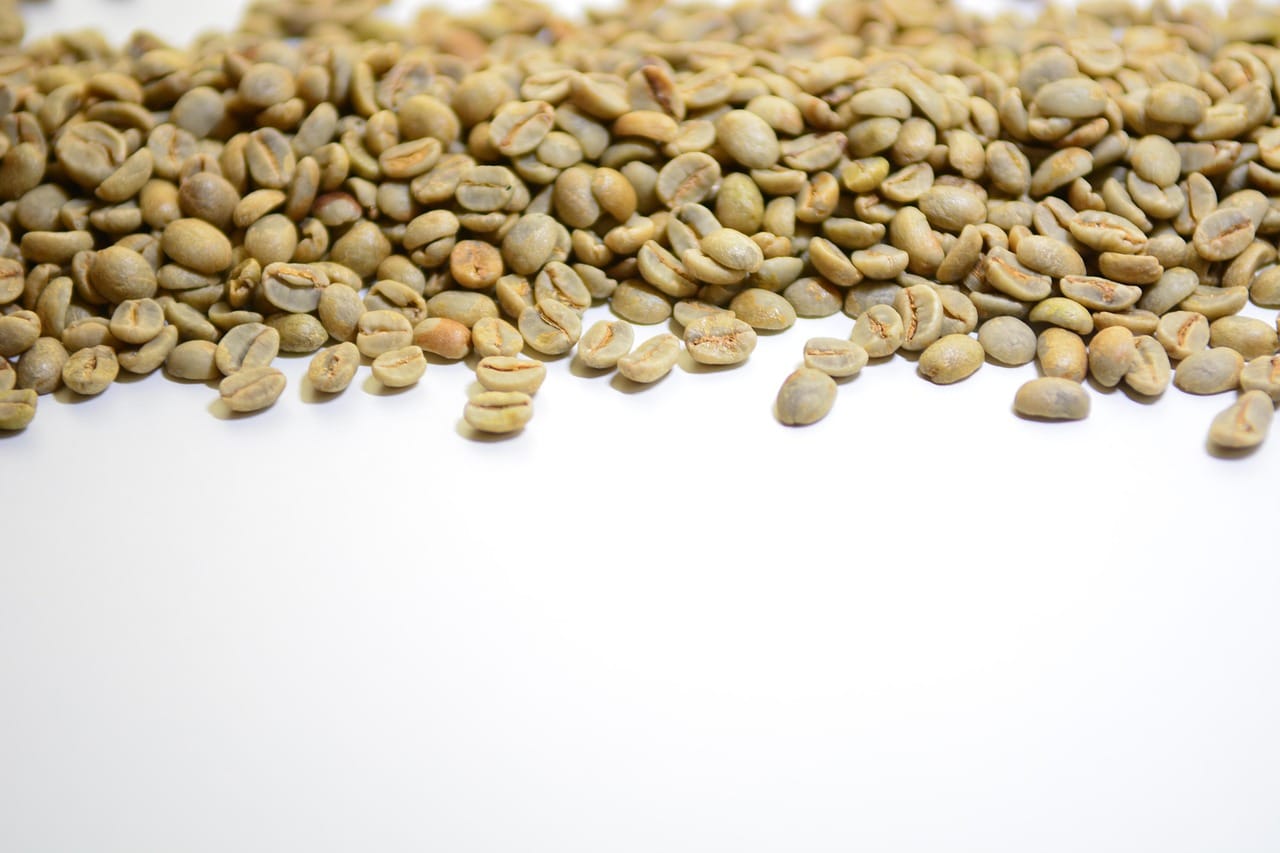
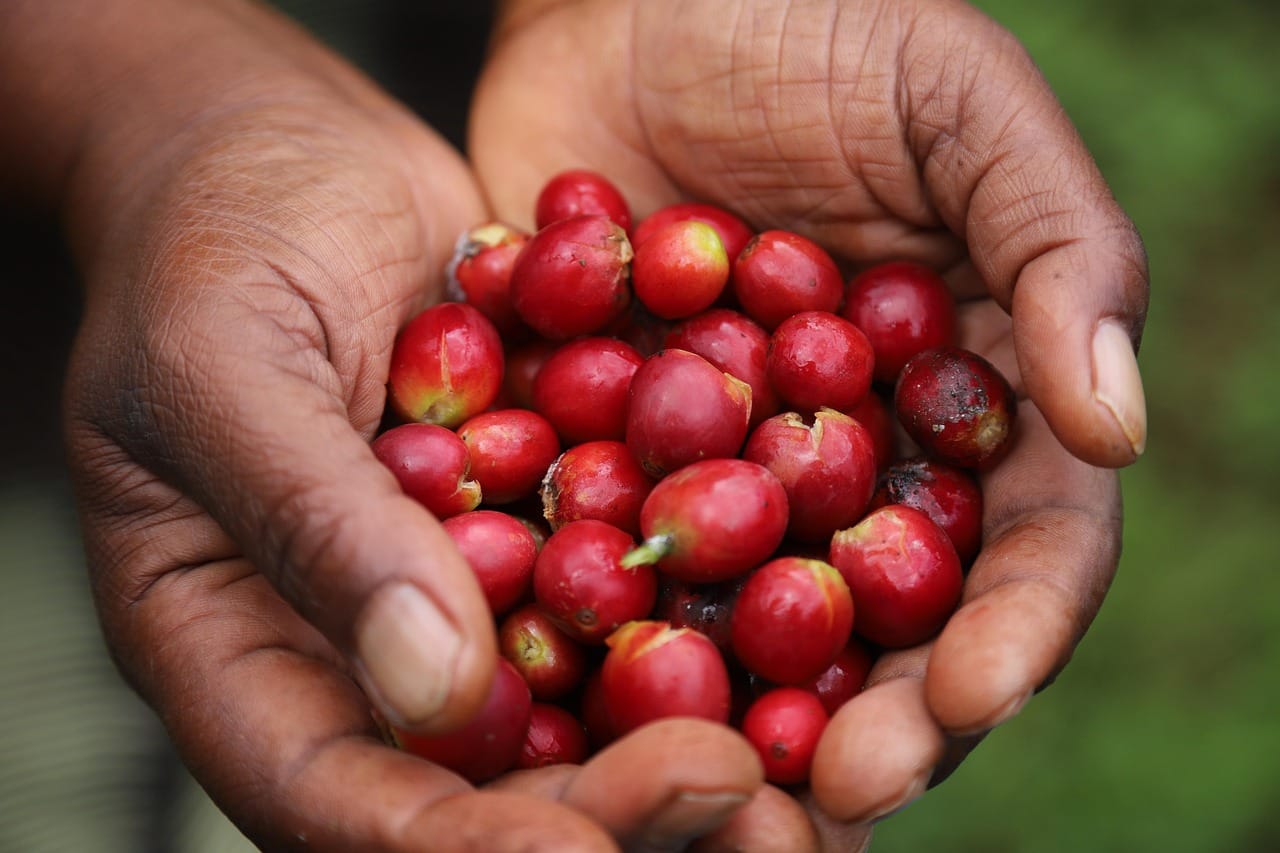
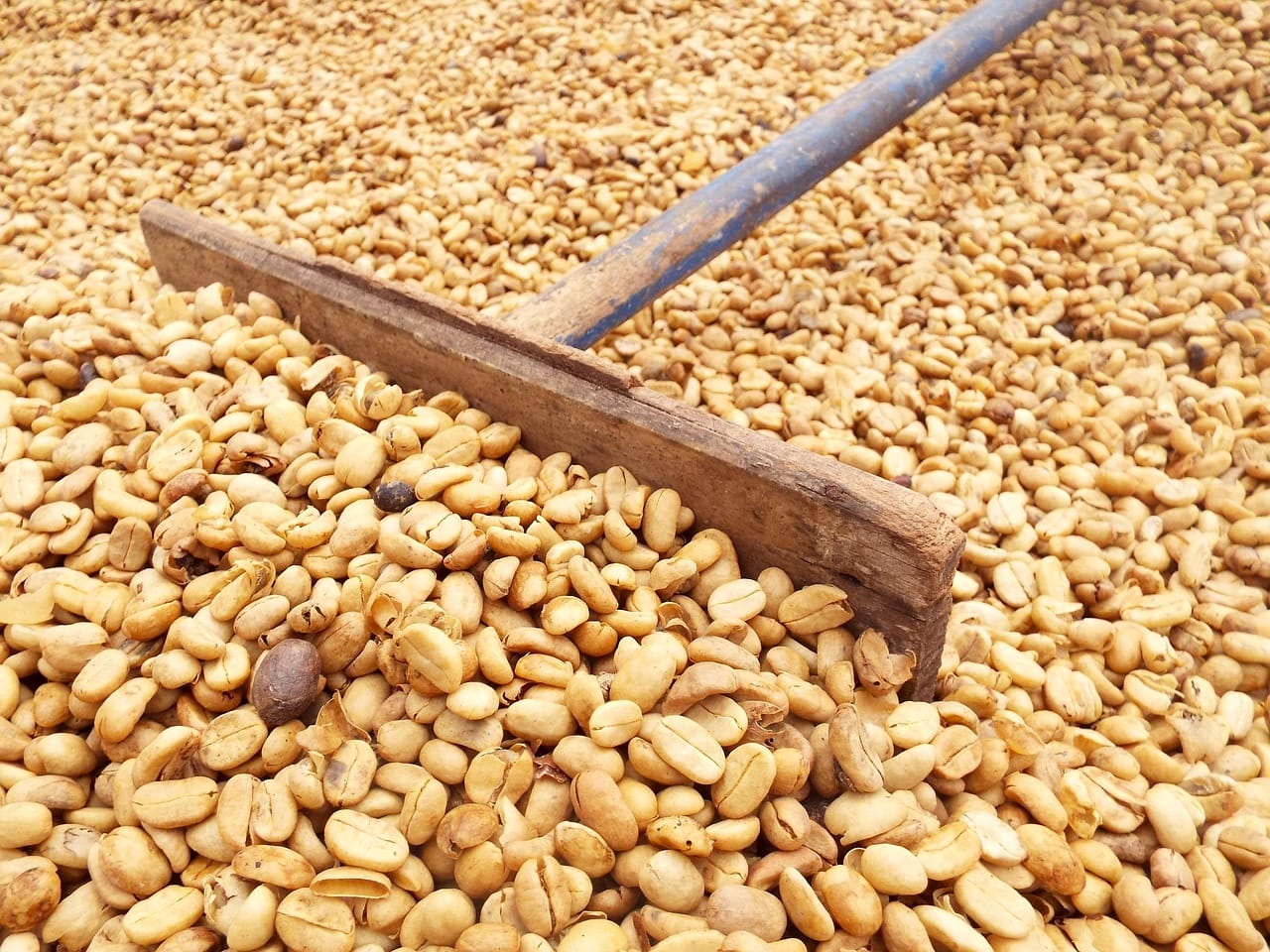
A coffee bean is the seed of a cherry-like fruit that grows on a shrub. Farmers pick the ripe fruit, remove the seeds and dry them. At this point the beans are green, hard and smell a little like grass. They can be stored for months like this.
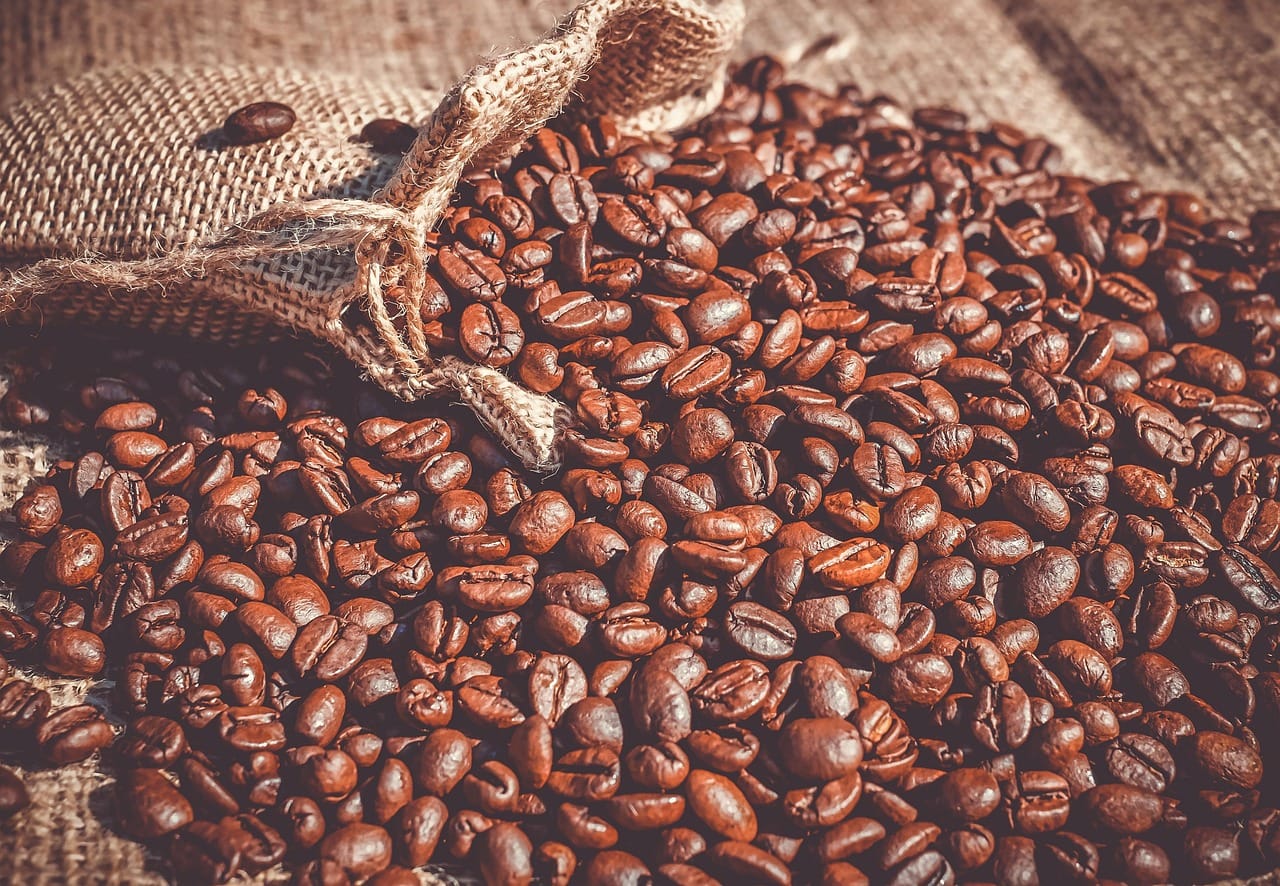
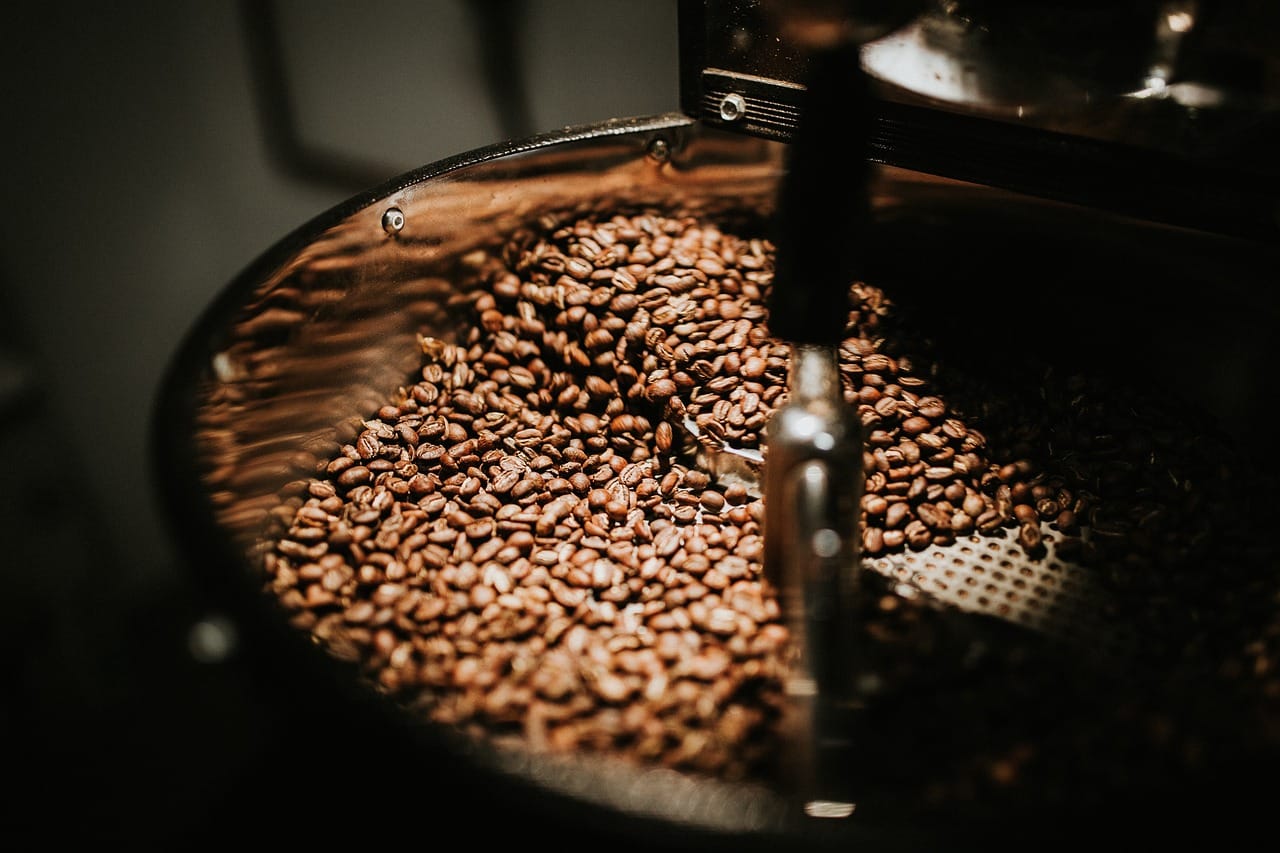
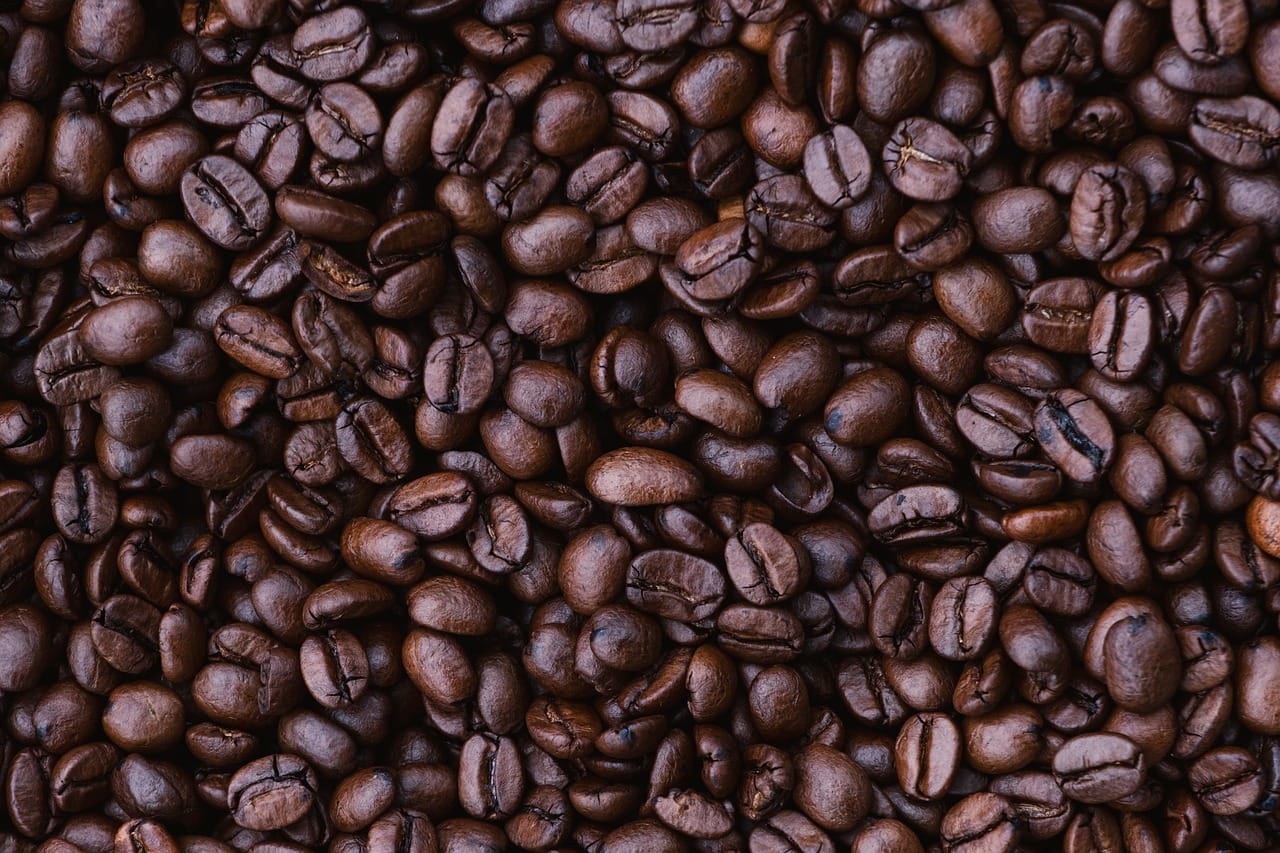
Roasting changes everything. In 10 to 15 minutes at around 200°C, the beans turn brown, expand and develop hundreds of aroma compounds. Roasting also starts a clock: from this moment the beans slowly lose their flavour.
Reading the bag
A bag from a good roaster tells you:
- Origin: the country, region and often the farm or washing station.
- Process: how the fruit was removed. Washed coffees taste clean and bright; natural coffees, dried inside the fruit, taste fruitier and heavier.
- Roast level: light, medium or dark.
- Roast date: the most important line on the bag.
- Tasting notes: flavours the roaster found, such as "chocolate, cherry, orange".
Tasting notes are not flavourings. They describe what the coffee reminded the roaster of, the way a wine might taste of blackcurrant. Treat them as a guide.
Roast level and flavour
| Roast | Colour | Typical flavour | Good for |
|---|---|---|---|
| Light | Cinnamon brown | Fruity, bright, tea-like | Pour-over, filter |
| Medium | Milk-chocolate brown | Balanced, caramel, nutty | Almost everything |
| Dark | Very dark, oily | Bitter-sweet, smoky, heavy | Espresso with milk |
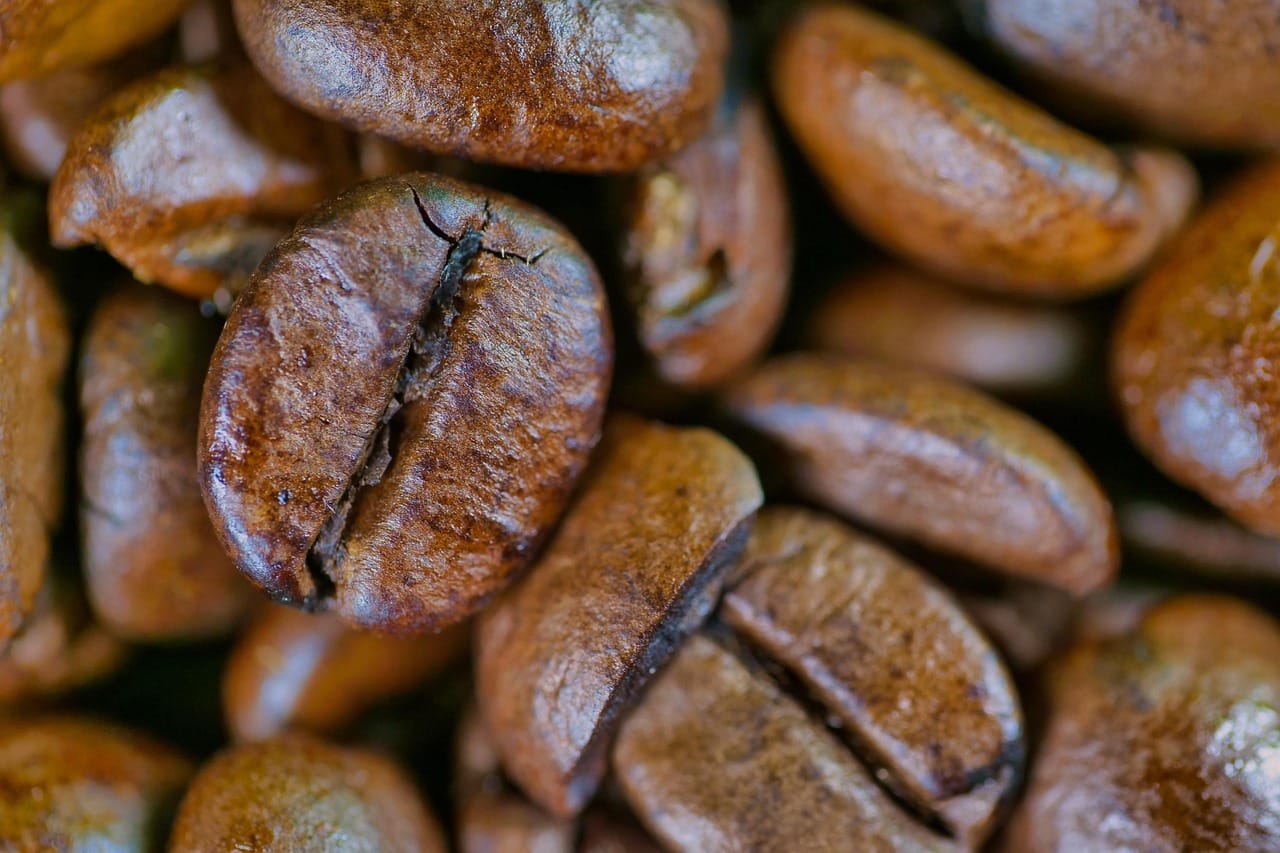
Lighter roasts keep more of the character of the origin. Darker roasts taste more of the roast itself. Neither is better; it depends on how you drink your coffee.
Freshness: the window that matters
Freshly roasted beans release carbon dioxide for several days. If you brew them too early, the gas makes the extraction uneven. If you brew them too late, the aromas have faded. For most brewing, coffee is at its best from about 4 days to 4 weeks after roasting. For espresso, many people wait at least a week.
Storing beans
Oxygen, light, heat and moisture all steal flavour. So:
- Keep beans in the bag they came in if it has a one-way valve, or in an airtight, opaque container.
- Store them in a cupboard, away from the oven and the window.
- Do not store them in the fridge: they absorb smells and moisture.
- Buy only what you will use in two to three weeks.
- Grind just before brewing. Ground coffee loses its aroma in minutes, not weeks.
Can I freeze coffee?
Single origin or blend?
A single origin coffee comes from one country, often one region or one farm. It shows the character of that place: bright citrus from parts of Kenya, jasmine and bergamot from Ethiopia, chocolate and nuts from Brazil. Single origins change with the seasons, which is part of the fun.
A blend mixes coffees from different places to make a balanced, consistent flavour. Espresso blends are often built to taste good with milk. Blends are not worse; they are designed for reliability, while single origins are designed for character.
A good way to learn is to buy two single origins at the same time and brew them side by side with the same recipe. The differences will surprise you.
Buying from a roaster
Buy from a roaster who prints the roast date, tells you where the coffee comes from and is happy to answer questions. Many roasters sell online and post beans within a day or two of roasting.
- Tell the roaster how you brew: pour-over, cafetière or espresso. They will suggest a coffee and, if needed, grind it for you.
- Start with 250 g bags so you can try more coffees while they are fresh.
- Keep a simple note of what you liked. After a few months you will know your taste.
A subscription is a good option once you know what you like: fresh beans arrive every two or three weeks, and you never run out.
Quick check
What is the most important date on a coffee bag?
- The best-before date
- The roast date
- The harvest date
Where should you store coffee beans?
- In the fridge
- Next to the stove so they stay dry
- In an airtight, opaque container in a cupboard
What does "natural process" usually taste like?
- Fruitier and heavier
- Cleaner and lighter
- Smoky and bitter
Questions and discussion